

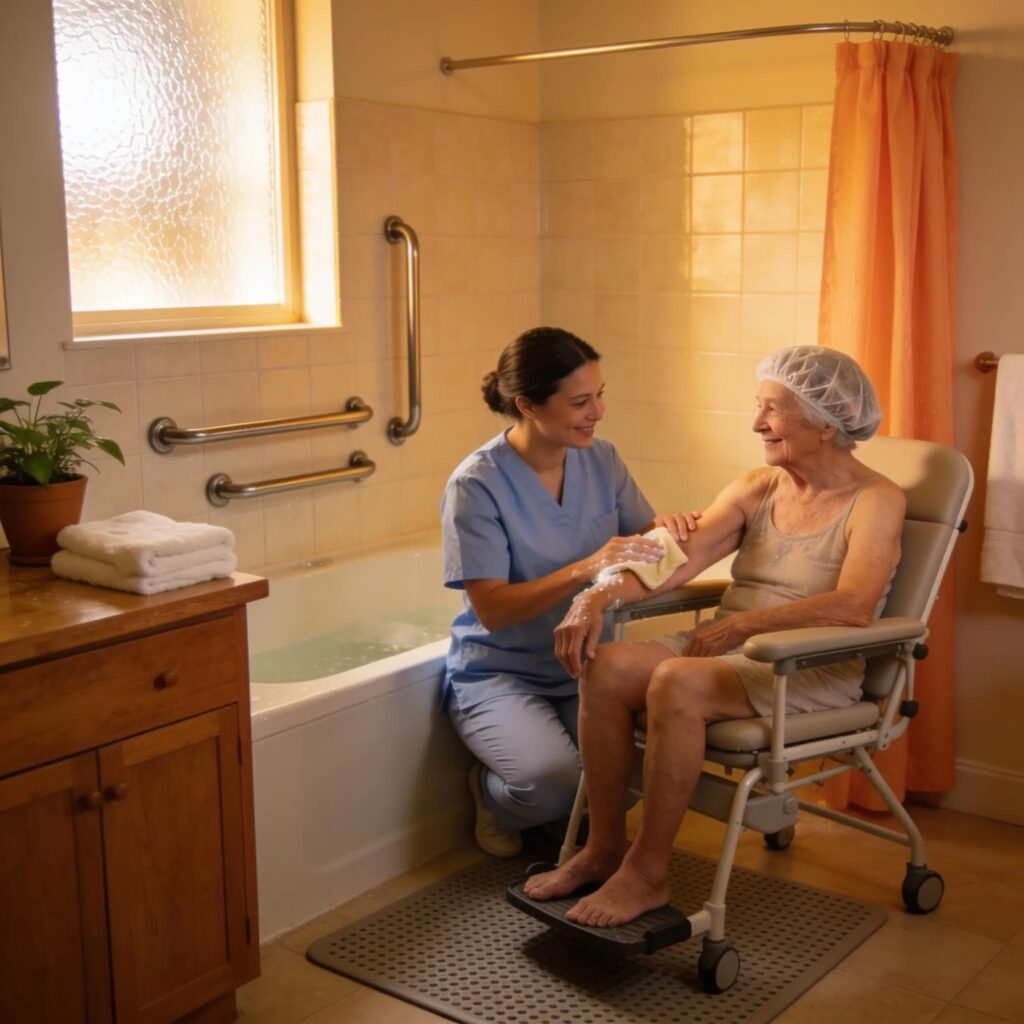
Compassionate Bathing Assistance for Senior Hygiene Needs
Compassionate Assistance with Bathing and Personal Hygiene for Seniors: Trusted In-Home Support and Safety Solutions
Providing compassionate assistance with bathing and personal hygiene is essential for seniors seeking to maintain their independence while ensuring their safety. Seniors often face physical limitations that make self-care challenging, and caregivers play a crucial role in facilitating this sensitive aspect of daily living. This article delves into best practices for offering bathing support, essential safety protocols, and assistive products that enhance independence for seniors. We will also explore valuable strategies caregivers can employ to maintain dignity and comfort during personal hygiene care, while highlighting the latest technologies that improve bathing assistance.
What Are the Essential Safety Protocols for Senior Bathing Assistance?
Implementing effective safety protocols during bathing sessions is paramount to prevent accidents and ensure the well-being of seniors. Key protocols involve understanding mobility limitations, ensuring non-slip surfaces, and prioritizing open communication with seniors about their needs and comfort levels. By following these guidelines, caregivers can create a secure bathing environment that respects the dignity of the individual while providing necessary support.
How to Ensure Physical Safety During Elderly Bathing Sessions
To guarantee physical safety in hydrotherapy, caregivers should assess the environment before each bathing session. This includes checking the water temperature to prevent burns, ensuring that essential items such as soap and towels are within easy reach, and using assistive devices like grab bars to facilitate movement. Caregivers should also employ safety equipment, such as non-slip mats, to minimize the risk of falls in the bathroom—the most common location for injuries among seniors.
Which Environmental Adaptations Reduce Bathing Risks for Seniors?
Environmental adaptations are crucial for enhancing safety during bathing. Simple modifications, such as the installation of grab bars and shower chairs, can make a significant difference in a senior’s bathing experience. Non-slip mats should be placed both inside and outside the bathtub or shower to help prevent slipping. Additionally, having a handheld showerhead allows seniors to control the water direction and height, increasing their bathing comfort and independence.
Which Assistive Bathing Products Enhance Independence for Seniors?

Effective training for caregivers can include modules on how to assist with bathing gently and respectfully. This training might cover techniques for safely transferring seniors in and out of bathtubs or showers, understanding the specific needs associated with various mobility limitations, and how to maintain a compassionate demeanor throughout the process.
How to Preserve Psychological Dignity During Senior Hygiene Care?
Preserving psychological dignity during hygiene care is essential. Caregivers should ensure that seniors feel in control of their bathing process and can express their preferences about how and when they wish to be assisted. Building trust through consistent, respectful interactions helps seniors feel more comfortable and secure, ultimately leading to a more positive bathing experience.
What In-Home Elder Care Bathing Services Are Available and How to Choose Them?
Various in-home elder care bathing services are available to assist families in providing safe and effective care. Selecting the right service is crucial to ensuring that seniors receive the support they need while maintaining their dignity and independence.
Which Factors Determine the Best In-Home Bathing Support for Seniors?
When evaluating in-home bathing support services, several factors should be considered. Key considerations include assessing the qualifications of care providers, understanding service options available, and checking reviews or testimonials from prior clients. These criteria can help families choose a provider that meets their specific needs.
How to Coordinate Personalized Bathing Assistance Within Home Care Plans?
Coordinating personalized bathing assistance within home care plans involves effective communication between family members, caregivers, and service providers. By outlining the specific needs and preferences of the senior, families can ensure that care is tailored to enhance their emotional and physical comfort during bathing sessions while deriving maximum benefit from the support provided.
What Are Common Challenges and Solutions in Senior Bathing and Hygiene Support?
Assisting seniors with bathing comes with its set of challenges, including mobility and cognitive limitations. Recognizing these hurdles allows caregivers to implement strategies that effectively address them, leading to improved outcomes in personal hygiene care.
How to Address Mobility and Cognitive Limitations in Bathing Assistance?
Addressing mobility and cognitive limitations requires a personalized approach. Caregivers might utilize mobility aids such as shower chairs or handheld showerheads to help seniors bathe more independently. For those with cognitive difficulties, establishing a routine can help them feel more secure and reduce anxiety around bathing, as familiarity can enhance their comfort levels.
Which Techniques Help Overcome Resistance or Anxiety During Bathing?
Overcoming resistance or anxiety during bathing may involve building trust with seniors through gentle and patient interactions. Caregivers can use soothing techniques, such as speaking softly and reassuringly, or engaging seniors in conversation to distract from any discomfort or anxiety they might feel. Techniques like these can lead to entirely new approaches to bathing that help seniors feel more comfortable and supported.
What Emerging Technologies Improve Elder Bathing Assistance and Safety?
Recent advancements in technology have transformed the way caregivers assist seniors with bathing. Smart devices and innovative products are streamlining the bathing process, enhancing safety.
How Are Smart Devices Enhancing Senior Bathing Independence?
Smart devices, such as automated bath systems and water temperature regulators, provide enhanced autonomy for seniors during their bath time. These technologies help ensure that the bathing environment remains comfortable, enabling seniors to engage more freely in personal hygiene routines without constant assistance from caregivers.
What Future Innovations Are Expected in Elder Care Bathing Support?
Looking forward, innovations in elder care bathing support are expected to focus on further enhancing safety and comfort. Developments like advanced water filtration and sanitization systems, as well as AI-powered monitoring devices, aim to ensure that seniors receive both safe and dignified bathing experiences as they age, allowing them to maintain their independence.