


Signs It’s Time to Consider In-Home Care for a Loved One: Identifying Key Elderly Decline Indicators and Decision Factors
As our loved ones age, determining the right time to seek in-home care can be a perplexing and emotional journey. Recognizing the signs of elderly decline is crucial for families to ensure that their loved ones receive the support they need to maintain a semblance of independence and quality of life. In Southern Orange County communities like Laguna Niguel, San Clemente, Dana Point, Irvine, and Lake Forest, these decisions also connect closely to local resources, climate, and lifestyle factors unique to coastal and inland living. This article will explore several indicators that suggest it may be time to consider in-home care, focusing on physical, cognitive, and emotional signs, as well as environmental and safety factors. We will also provide guidance on how families in these vibrant Southern Orange County areas can engage effectively in the decision-making process and the types of in-home care services available locally. By understanding these aspects, families will be better equipped to make informed decisions regarding their elderly loved ones’ care needs.
Recognizing the Signs It’s Time for In-Home Senior Care
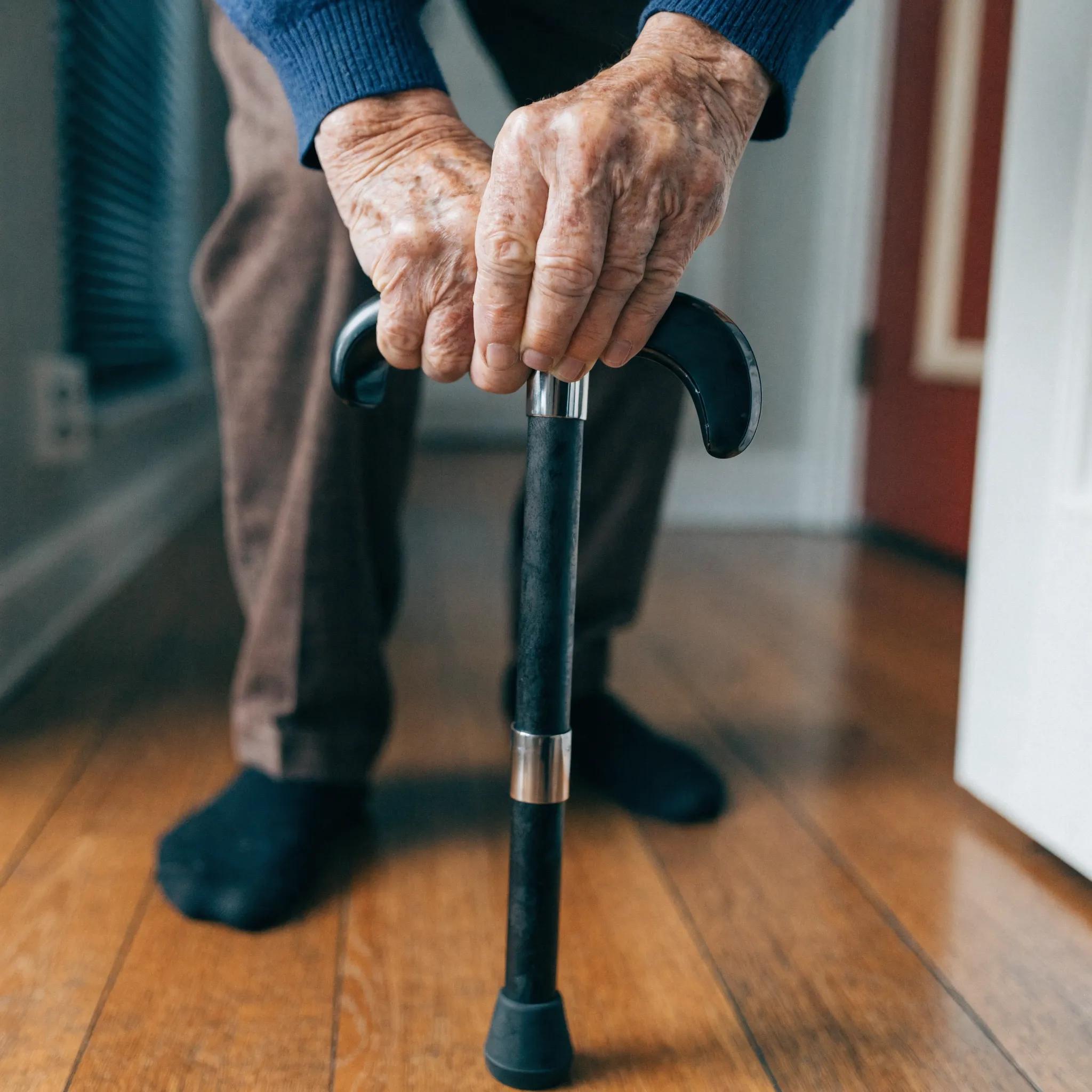
Physical signs play a significant role in identifying whether an elderly individual may require additional support. Key indicators include mobility challenges, which often manifest as difficulty walking and an increased frequency of falls. These physical limitations can lead to serious accidents, making it crucial to monitor changes in mobility closely, especially among older adults. In Southern Orange County, where many seniors enjoy walking along scenic coastal paths or maintaining active lifestyles in neighborhoods throughout Irvine and Lake Forest, changes in mobility can significantly impact their quality of life. Additional signs may relate to personal hygiene; if a loved one is struggling to maintain their cleanliness or overall hygiene, this may indicate that they need assistance. Addressing these issues early can help prevent further decline and ensure the elderly individual’s well-being.
How Do Mobility Issues and Frequent Falls Indicate Care Requirements?
Mobility issues are common among the elderly and often signal a decline in health and overall independence. Research has shown that falls are a leading cause of injury among older adults, with many falling multiple times each year. Statistically, nearly one in four seniors experiences a fall annually. The presence of mobility issues combined with a history of falls can indicate the necessity for a home care aide, who can assist with daily activities such as walking, transferring, and ensuring a safe home environment. In communities like San Clemente and Dana Point, where coastal terrain and climate encourage outdoor activity, the risk of falls related to uneven walkways or weather conditions can elevate concerns. Implementing mobility aids, physical therapy, or supervised support may effectively manage these concerns.
Which Hygiene and Personal Care Challenges Suggest Assistance Is Needed?
Personal hygiene is a critical aspect of health and dignity, especially for the elderly. If family members notice a decline in their loved one’s ability to maintain personal care, it can be a red flag. Common challenges include difficulty bathing, grooming, and dressing due to physical limitations or cognitive decline. In instances where an elderly individual shows signs of neglecting their personal care, such as wearing unkempt clothing or having noticeable body odor, it often indicates the need for external support. Engaging an in-home caregiver for assistance with daily hygiene can significantly enhance the elderly person’s quality of life. Local senior centers in Lake Forest and Irvine often provide additional support and can be valuable resources for families navigating these care needs.
What Cognitive and Emotional Symptoms Warn That In-Home Care May Be Necessary?
Assessing cognitive and emotional health is equally essential in recognizing the need for in-home care. Families often observe cognitive decline through signs such as memory loss, confusion, or difficulties in reasoning and focusing. These changes can have profound effects on an elderly person’s ability to function safely within their environment. Additionally, emotional changes such as persistent sadness or withdrawal can indicate deeper issues that may require professional intervention. In Southern Orange County, where close-knit community activities and coastal living offer ample social engagement opportunities, such emotional changes may be particularly noticeable and impact lifestyle significantly. Understanding these aspects can guide families in determining when more extensive support might be required.
How Do Memory Loss and Confusion Reflect Cognitive Decline Warrants Care?
Memory loss and confusion are often among the first signs of cognitive decline in elderly individuals. Frequent forgetfulness, such as misplacing items or failing to recognize familiar faces, can significantly diminish an individual’s independence. Furthermore, severe confusion about time, place, or situations can lead to dangerous circumstances. In such cases, a home care assessment may identify essential assistance areas, leading to a suitable care plan tailored to the individual’s specific cognitive needs. This ensures that their safety and health are prioritized. Access to specialized memory care programs is available in the nearby Irvine medical community, which is home to several hospitals and rehabilitation centers known for geriatric care.
What Role Do Depression and Emotional Changes Play in Care Needs?

Emotional well-being is just as critical as physical health for the elderly. Signs of depression in seniors can manifest as withdrawal from social activities, loss of interest in hobbies, or a general sense of hopelessness. These emotional changes can significantly impact daily functioning and increase the risk of physical decline. Research indicates that access to supportive services can help mitigate these effects and improve overall mental health. Coastal Southern Orange County offers numerous opportunities for outdoor therapy and social programs through community centers in Laguna Niguel and Dana Point, which families should consider as part of a holistic care approach. It is vital for families to remain observant of their loved one’s emotional states and to seek professional guidance when necessary.
Which Safety Risks and Environmental Factors Should Families Assess Before Deciding on Home Care?
Before making a decision about in-home care, families must assess potential safety risks within their loved one’s environment. Common hazards include clutter, poor lighting, and lack of safety equipment like grab bars, which can contribute to falls and injuries. Environmental factors also play a role; for instance, the mild but sometimes variable coastal climate of Southern Orange County can influence care decisions, as adequate heating or cooling may be necessary to mitigate health issues related to humidity or fog near the coast versus the warmer conditions inland in Lake Forest. Conducting a thorough evaluation of the home environment, perhaps with support from local resources like senior safety programs available in San Clemente or Laguna Niguel, will help families identify areas that necessitate adjustment or intervention, ensuring a safer living space for the elderly individual.
How Does Household Safety Hazard Evaluation Influence Care Decisions?
Evaluating household safety involves a systematic approach to identifying potential risks that could lead to accidents. Common hazards include loose rugs, unmarked stairways, and improper storage of medications. Families can create a safety checklist to systematically assess these risks and implement necessary changes to promote a safer environment. Engaging professional home safety assessments from agencies serving Irvine and nearby cities can also provide recommendations tailored to the individual needs of the elderly person, making these evaluations an essential step in planning effective in-home care.
What Medication Management Challenges Signal Need for In-Home Support?
Medication management is another vital aspect of elder care that requires careful consideration. Many seniors take multiple prescriptions, increasing the risk of medication errors. Challenges may include confusion regarding dosage schedules, inability to open medication containers, or misunderstandings about medication purposes. If a senior consistently misses dosages or takes incorrect amounts, it could pose serious health risks. These signs indicate a pressing need for in-home support, where caregivers can assist with medication schedules, reduce the risk of errors, and ensure optimal health maintenance. Access to pharmacies with specialized senior care programs in communities like Lake Forest and San Clemente can also support families managing complex medication regimens.
How Can Family Members and Caregivers Effectively Participate in the Home Care Decision Process?
Family dynamics play a crucial role in making informed decisions regarding in-home care. Effective communication among family members about the health status of their elderly relative is vital. Engaging in open discussions regarding observed signs of decline, emotional changes, and safety concerns lays the foundation for identifying essential care needs. It is also important to involve the elderly individual in the decision process when appropriate, as this promotes dignity and autonomy. Given the community-oriented culture in Southern Orange County, families often find support through local groups and resources available in Laguna Niguel and Dana Point senior centers.
What Are the Key Roles of Caregivers in Assessing Elderly Decline Signs?
Caregivers have a vital role in identifying signs of decline and advocating for the elderly individual. They are often the first to observe changes in physical and mental health that may require intervention. Involving caregivers in assessment processes ensures that families receive accurate and timely insights into the elderly person’s day-to-day functionality. Caregivers trained in geriatric care in the Southern Orange County area, familiar with local healthcare options and community programs, can provide valuable assessments and recommendations, facilitating a smoother transition into in-home care services.
How Can Families Communicate and Coordinate to Reach Care Decisions?
Effective communication strategies are essential to ensure that all family members are aligned regarding care decisions. Establishing regular family meetings to discuss the elderly loved one’s health and progress can help keep everyone informed and on the same page. Using tools such as shared calendars or care logs can also enhance coordination among different family members, ensuring that all aspects of the care plan are addressed consistently. Many families find community support groups and online forums centered around Southern Orange County a helpful means to share experiences and coordinate care efforts.
What Are the In-Home Care Services Available and Eligibility Criteria to Consider?
It is essential to recognize the types of in-home care services available to ensure that the elderly individual’s needs are fully addressed. Services range from personal care assistance, which entails help with daily tasks like bathing and grooming, to more specialized healthcare services provided by licensed professionals. Southern Orange County offers a network of in-home care providers serving Laguna Niguel, Irvine, San Clemente, Dana Point, and Lake Forest. Understanding these services can help family members choose the appropriate options based on their loved one’s specific needs.
Which Types of In-Home Care Services Address Different Elderly Needs?
In-home care services can be categorized into several types, each addressing different elderly needs:
- Personal Care Aides: Assist with daily living activities, including personal hygiene, meal preparation, and medication reminders.
- Home Health Aides: Provide more specialized healthcare services, such as monitoring vital signs and assisting with rehabilitation therapy.
- Skilled Nursing Services: Conduct medical assessments and offer medical care as directed by a physician.
Understanding these distinctions helps families select the right type of care based on their loved one’s individual requirements. Local senior care agencies often collaborate with hospitals and clinics throughout Irvine and San Clemente to ensure seamless service delivery.
What Eligibility Factors Determine Access to In-Home Care Programs?
Eligibility for in-home care services often depends on several factors, including health status, financial resources, and specific needs. Many programs require a formal assessment to determine the extent of care needed. Families can often find resources through local health departments or community organizations that offer guidance on accessing these programs. For example, the senior centers in Laguna Niguel and Dana Point provide valuable guidance and referrals for residents looking to navigate in-home care options. Understanding the eligibility requirements is crucial for effective planning and timely access to necessary care.
When Is It the Right Time to Get Home Care? Early Signs and Assessment Guidelines
Recognizing the right time to seek home care support requires vigilance and awareness of early signs of decline. Many families struggle with identifying the appropriate moment for intervention, often waiting too long to seek assistance. Developing an understanding of key indicators can help families make timely and informed decisions about in-home care services. In Southern Orange County, where many seniors prefer to age in place amidst familiar surroundings, timely evaluations and decisions supported by local healthcare and community resources are especially important.
How Does a Home Care Assessment Identify Essential Assistance Areas?
A home care assessment is a systematic evaluation of the elderly individual’s needs and capabilities. It typically involves discussions with family members, a review of medical history, and an on-site assessment of the home environment. This comprehensive approach helps identify specific areas in which assistance is required, ensuring that caregivers effectively address the critical needs of the elderly individual. Many Southern Orange County care providers offer assessments to families in Laguna Niguel, San Clemente, and other local cities, incorporating knowledge of regional considerations such as access to hospitals like Mission Hospital in Laguna Beach or health facilities in Irvine.
What Are Common Symptoms That Elderly Individuals Need Assistance?
Several symptoms may prompt family members to consider in-home care. These can include increased forgetfulness, difficulty with mobility, signs of depression or loneliness, and a noticeable decline in personal hygiene. By recognizing these symptoms early, families can take proactive steps to secure the necessary care and support, enhancing their loved one’s quality of life. Utilizing the robust network of senior services available in Southern Orange County ensures that the elderly receive compassionate and culturally attuned care close to home.
Join Our Team of Caregivers
Our expansion means we’re actively hiring compassionate, reliable caregivers throughout South Orange County. If you have experience in home care, senior care, or healthcare and want to make a meaningful difference in people’s lives, we’d love to hear from you.
We offer competitive pay, flexible scheduling, ongoing training, and the support of a team that values your work. Apply to become a caregiver today.
Schedule Your Free Consultation
If you’re exploring home care options for a loved one in Irvine, Lake Forest, or anywhere in South Orange County, we’d welcome the opportunity to learn about your situation. Every family’s circumstances are different, and there’s no pressure—just honest conversation about what might help.
Call us at (949) 426-7300 or schedule your free in-home consultation online. During this meeting, we’ll discuss your loved one’s needs, answer your questions, and explain how our services work. If we’re the right fit, we’ll develop a customized care plan together.
Quality home care makes it possible for seniors to age with dignity, independence, and support—right where they want to be. We’re honored to now offer that possibility to even more Orange County families.
Serving All of South and Central Orange County
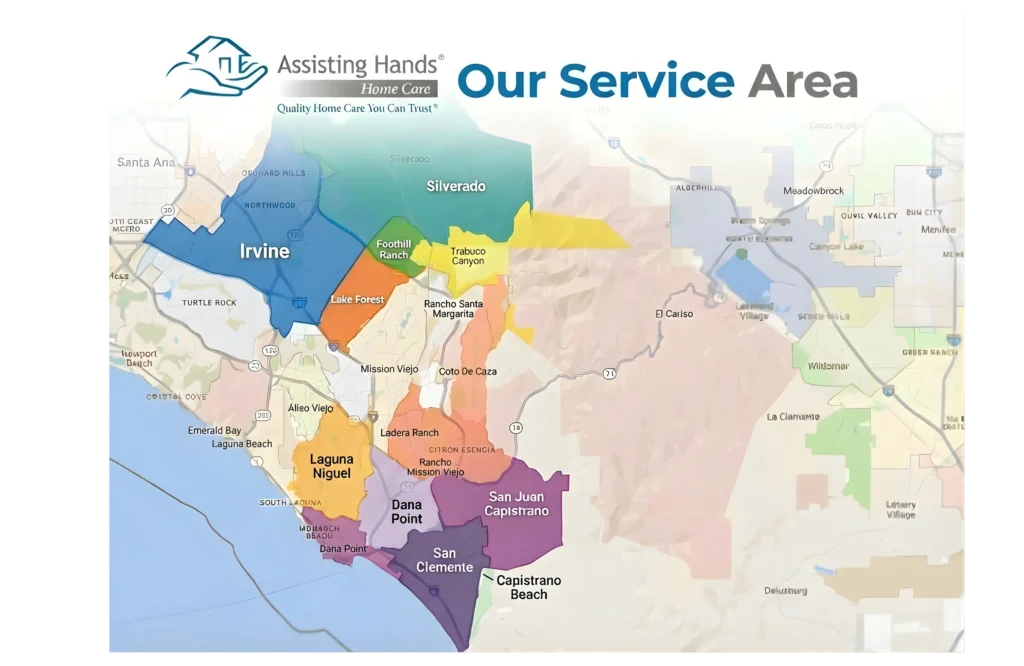
Assisting Hands® Irvine & Dana Point now proudly serves families throughout Orange County, including:
- Dana Point
- San Juan Capistrano
- San Clemente
- Laguna Niguel
- Laguna Hills
- Aliso Viejo
- Rancho Mission Viejo
- Mission Viejo
- Rancho Santa Margarita
- Coto de Caza
- Trabuco Canyon
- Foothill Ranch
- Silverado
- Ladera Ranch
- Irvine
- Lake Forest
From coastal communities to the canyons and foothills, our caregivers travel throughout the region to provide consistent, professional home care services.