

The Benefits of Companionship for Seniors: Reducing Loneliness through In-Home Care Services
By Assisting Hands® Home Care, Assisting Hands® Home Care
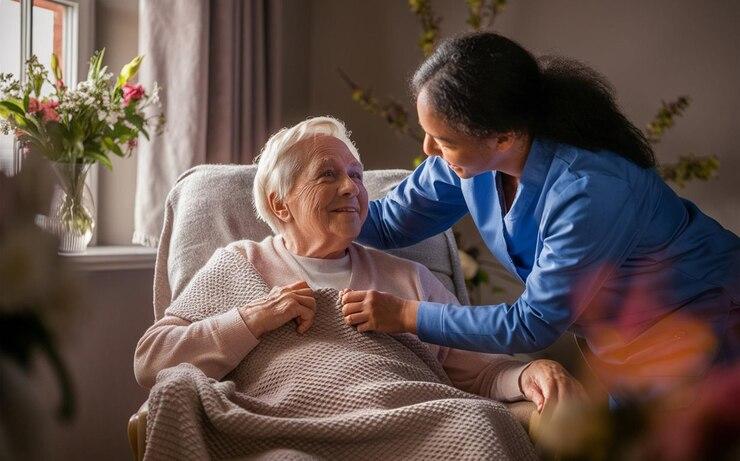
Companionship is vital for seniors and reduces loneliness, which can harm health. As people age, social isolation becomes more likely and can affect both mental and physical well‑being. This article outlines the benefits of companionship and how in‑home care can alleviate loneliness, reviewing health risks, emotional effects, and how social engagement improves quality of life. It also describes personalized care approaches and the companionship services available from Assisting Hands® Irvine & Dana Point.
What Are the Health Risks of Loneliness in Elderly Adults?
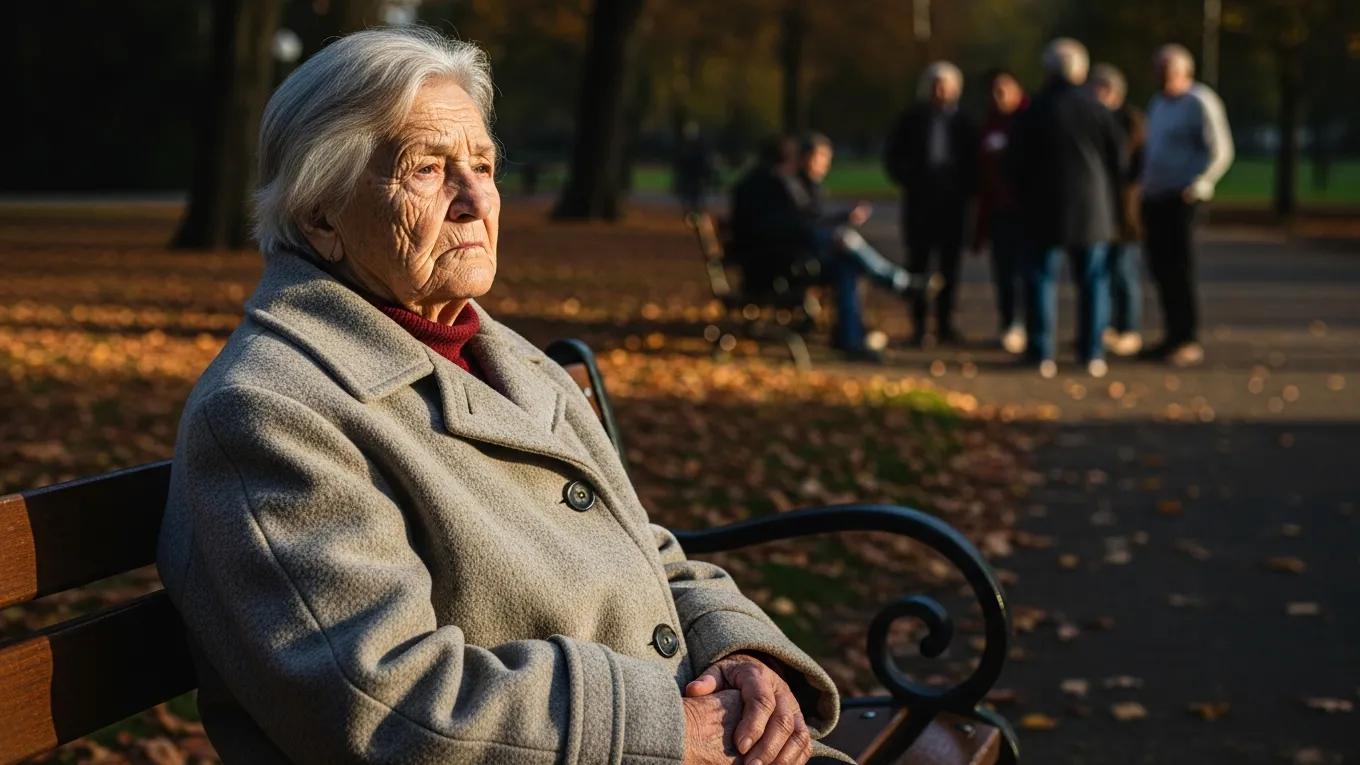
Loneliness among older adults carries measurable risks to both physical and mental health. Research links social isolation to higher rates of depression, anxiety, and accelerated cognitive decline. Studies also associate prolonged loneliness with increased risk of cardiovascular events such as heart disease and stroke, potentially driven by stress‑related inflammation and other physiological effects. The absence of regular social contact can deepen despair and contribute to a cycle of worsening health.
A comprehensive review further documents the mental and physical consequences of loneliness in the elderly population.
Elderly Loneliness: Mental & Physical Health Impacts Review
ABSTRACT: Loneliness is a significant but neglected issue that many of the elderly, find themselves. This review aims to discuss the various effects that loneliness has on mental and physical health and
The effect of loneliness in the elderly population: a review, 2016
How Does Loneliness Affect Seniors’ Mental and Physical Health?
Loneliness can undermine cognitive function and mental health. Reduced social engagement is linked to cognitive decline; isolated individuals often report higher anxiety and depression that impede participation. Physically, loneliness correlates with a weakened immune response and greater vulnerability to illness. These connections underscore the need to promote social relationships to protect overall health.
What Recent Studies Reveal About Loneliness and Cognitive Decline?
Recent research clarifies the link between social isolation and cognitive impairment. Studies indicate that seniors with limited social interaction face higher risk of dementia and other cognitive disorders, while those with strong social networks show lower rates of decline. These results reinforce companionship as a protective factor for cognitive health and overall quality of life.
How Does Senior Companionship Improve Emotional Well-Being?
 physical health. Key benefits include:
- Enhanced Mental Health: Regular social interaction can reduce symptoms of depression and anxiety, promoting a more positive outlook on life.
- Improved Physical Health: Engaging with others encourages physical activity, which is essential for maintaining mobility and overall health.
- Encouragement of Active Lifestyles: Social connections motivate seniors to participate in activities, leading to a more active and fulfilling lifestyle.
Together, these benefits demonstrate the importance of fostering social connections to enhance seniors’ overall well‑being.
How Do Caregiver Companionship Services Enhance Senior Wellness?
Caregiver companionship services enhance senior wellness through personalized support tailored to each individual’s needs. Beyond assistance with daily tasks, caregivers promote social engagement, help maintain community connections, arrange outings, and facilitate communication with family. By addressing both physical and emotional needs, these services support overall health and independence.
What In-Home Senior Care Services Help Reduce Isolation?
In‑home care services aim to reduce isolation and encourage companionship. Common offerings include:
- Personal Care Assistance: Caregivers provide help with daily activities, ensuring seniors maintain their independence while receiving the support they need.
- Companionship Services: Regular visits from caregivers offer social interaction, reducing feelings of loneliness and isolation.
- Activity Planning: Caregivers can organize social activities and outings, encouraging seniors to engage with others and participate in community events.
Such services create a supportive environment that fosters social connection and counters loneliness.
How Does Personalized Care Address Loneliness in Elderly Clients?
Personalized care reduces loneliness by aligning support with each senior’s preferences and interests. Caregivers develop tailored plans that encourage participation in meaningful activities. This targeted approach improves emotional health, restores a sense of purpose, and reduces isolation through attentive listening and consistent emotional support.
Personalized care models, including emerging approaches such as assistive robotics, are increasingly recognized for their potential to enhance autonomy and quality of life for older adults remaining at home.
Personalized Robotic Home Care for Elderly Quality of Life
Assistive Robotics and Socially Assistive Robotics (SAR) are nowadays receiving a lot of attention from the scientific and technological communities for their potential impact on improving the quality of life of elderly people. An improvement in their autonomy would allow them to stay for longer in their homes and to allevi
Personalized home-care support for the elderly: a field experience with a social robot at home: C. Di Napoli et al., C Di Napoli, 2023
What Makes Assisting Hands® Irvine & Dana Point’s Companionship Services Unique?
Assisting Hands® Irvine & Dana Point delivers companionship services that prioritise emotional support and cognitive engagement. Their caregivers receive training to provide personalized attention so each client obtains the appropriate care and companionship. The holistic model combines physical assistance with activities that stimulate the mind and promote social interaction, offering families a dependable resource to improve their loved ones’ quality of life.
How Can Families Schedule a Free Consultation for Senior Companionship?
Families may schedule a complimentary consultation with Assisting Hands® Irvine & Dana Point. The process includes:
- Contacting the Office: Families can reach out via phone at (949) 426-7300 to discuss their needs.
- Consultation Details: During the consultation, caregivers will assess the specific requirements and preferences of the senior.
- No Long-Term Contracts Required: Families can explore options without the pressure of long-term commitments, ensuring they find the best fit for their loved ones.
This straightforward process enables families to make informed choices about companionship and care.
What Is the Process to Arrange In-Home Care Consultations?
To arrange an in‑home care consultation with Assisting Hands® Irvine & Dana Point, follow these steps:
- Initial Contact: Reach out to the office to express interest in in-home care services.
- Needs Assessment: A caregiver will conduct an assessment to understand the specific needs and preferences of the senior.
- Care Plan Development: Based on the assessment, a personalized care plan will be developed to address the unique requirements of the individual.
This structured process ensures seniors receive care and companionship tailored to their needs.
What Should Families Expect During a Free Senior Care Consultation?
During a complimentary consultation, families receive a comprehensive assessment of the senior’s needs and preferences. Key elements include:
- Assessment of Needs: Caregivers will evaluate the physical and emotional needs of the senior to create a tailored care plan.
- Customized Care Plan Discussion: Families will discuss the proposed care plan, including the types of services that will be provided.
- Service Options Overview: An overview of available services will be provided, allowing families to make informed decisions about their loved one’s care.
The consultation is designed to give families confidence in the available care options.
Frequently Asked Questions
What are some signs that a senior may be experiencing loneliness?
Loneliness in seniors may present as withdrawal from activities, reduced communication, mood changes such as increased sadness or irritability, and diminished interest in hobbies. Physical indicators can include neglected personal care or declining health. Early recognition allows families to arrange appropriate support and companionship.
How can technology help reduce loneliness in seniors?
Technology reduces loneliness by enabling contact and participation. Video calls, messaging apps, and social networks let seniors maintain relationships at a distance. Virtual groups and online activities provide engagement. Emerging solutions, including assistive robotics, may offer supplementary companionship for people living alone.
What role do family members play in combating loneliness for seniors?
Family members provide essential emotional support and help maintain social ties. Regular visits, calls, and shared activities strengthen a senior’s sense of belonging. Encouraging participation in community events and supporting access to professional companionship services helps ensure consistent social support.
Are there specific activities that can help seniors feel less lonely?
Yes. Activities such as joining clubs, attending group classes (art or exercise), or volunteering foster social connections. Hobbies like gardening, book clubs, or games create opportunities for interaction. Regular outings to parks, museums, or community events also increase engagement. Caregivers can organise and facilitate these activities to keep seniors active and connected.
How can caregivers assess the emotional needs of seniors?
Caregivers assess emotional needs through open dialogue and careful observation. Regular conversations about feelings and interests reveal changes in mood. Attention to non‑verbal cues—body language and facial expression—can indicate distress. Routine assessments and encouragement to express preferences help tailor support and prioritise emotional well‑being.
What are the long-term benefits of companionship for seniors?
Long‑term companionship yields significant benefits. Consistent social interaction supports mental health and lowers the risk of depression and anxiety. It also stimulates cognition and can contribute to better physical health and longevity. Additionally, companionship fosters purpose and belonging, supporting a more active and fulfilling later life.
Conclusion
Companionship reduces loneliness and supports overall well‑being for seniors. Through social activities and personalized care, older adults can experience improvements in mental and physical health. Assisting Hands® Irvine & Dana Point provides tailored companionship services that address individual needs and foster meaningful connections. Contact our team to schedule a free consultation and learn how we can support your loved one.